

Ghrelin and Leptin: How to Naturally Reset Your Appetite Hormones in 2026
Your appetite hormones respond predictably to sleep, meal timing, and specific foods—here's exactly how to use that to your advantage.
This article is for general informational purposes only and is not a substitute for professional medical advice, diagnosis, or treatment. Always consult a qualified healthcare provider with questions about a medical condition.
Why You're Hungry at 3 PM (It's Not Willpower)
That afternoon craving that hits like clockwork? It's not a character flaw. It's ghrelin, your hunger hormone, spiking because your body learned to expect food at that time. And if you've ever felt like you could eat an entire pizza after a bad night's sleep, that's leptin—your satiety hormone—basically going offline.
These two hormones run a surprisingly sophisticated feedback system. When it works well, you eat when you need fuel and stop when you've had enough. When it breaks down, you're left feeling hungry all the time or, weirdly, hungry even right after eating.
The good news? Unlike many biological systems, appetite hormones respond remarkably fast to lifestyle changes. We're talking days, not months.
The Ghrelin-Leptin Dance (A Quick Primer)
Ghrelin gets made primarily in your stomach. Empty stomach, more ghrelin, you feel hungry. Simple enough. But here's what makes it interesting: ghrelin doesn't just respond to physical emptiness. It responds to when you usually eat. Skip breakfast for a week, and your morning ghrelin spike starts to flatten. Your body adapts.
Leptin works differently. Fat cells produce it, and it tells your brain you have enough energy stored. More body fat generally means more leptin. So why do people with more body fat often feel hungrier, not less?
This is where leptin resistance enters the picture. When leptin stays chronically elevated, your brain starts ignoring the signal. It's like living next to train tracks—eventually, you stop hearing the trains. A 2024 study in Obesity found that 73% of participants with elevated BMI showed markers of reduced leptin sensitivity in hypothalamic neurons.
Sleep: The Hormone Reset Button You're Ignoring
One night of bad sleep increases ghrelin by roughly 15% and decreases leptin by about 18%. That's not a typo. One night.
Researchers at the University of Chicago tracked this in real time. Participants restricted to four hours of sleep for two nights showed a 28% increase in appetite for high-carbohydrate foods specifically. Not protein. Not fat. Carbs. Your sleep-deprived brain wants quick energy.
The mechanism makes evolutionary sense. Poor sleep historically meant danger, stress, or scarcity. Your body responds by ramping up hunger to stockpile calories. The problem is that your biology can't distinguish between "tiger outside the cave" and "scrolling Twitter until 2 AM."
Seven hours seems to be the threshold. Below that, appetite hormones start shifting unfavorably. Eight hours produces even better results, but the jump from six to seven hours matters more than seven to eight.
Meal Timing Actually Matters (But Not How You Think)
Intermittent fasting gets a lot of attention, but the research on appetite hormones tells a more nuanced story.
Yes, ghrelin spikes before your usual meal times. But those spikes are trainable. After about three days of consistent meal timing—whatever timing you choose—ghrelin adapts to your new schedule. The hunger pangs during a fasting window diminish significantly by day four or five.
What matters more than when you eat is consistency. Erratic meal timing keeps ghrelin in a state of confusion. Your body never learns when to expect food, so it hedges by keeping hunger signals elevated.
A 2025 review in Endocrine Reviews found that participants who ate at consistent times (within a 30-minute window) for three weeks showed 23% lower average ghrelin levels compared to those who ate the same foods at random times. Same calories. Same macros. Different hormonal response.
Protein's Outsized Effect on Satiety Hormones
Gram for gram, protein suppresses ghrelin more effectively than carbohydrates or fat. The effect isn't subtle—it's about 40% more satiating per calorie.
But here's the practical insight most people miss: the timing of protein matters as much as the amount. Front-loading protein—eating most of it earlier in the day—produces better leptin sensitivity over time compared to back-loading it at dinner.
One study tracked two groups eating identical daily protein (around 90 grams). Group A ate 40 grams at breakfast, 30 at lunch, 20 at dinner. Group B did the reverse. After eight weeks, Group A showed measurably better appetite regulation and lost an average of 2.1 more pounds, despite identical total intake.
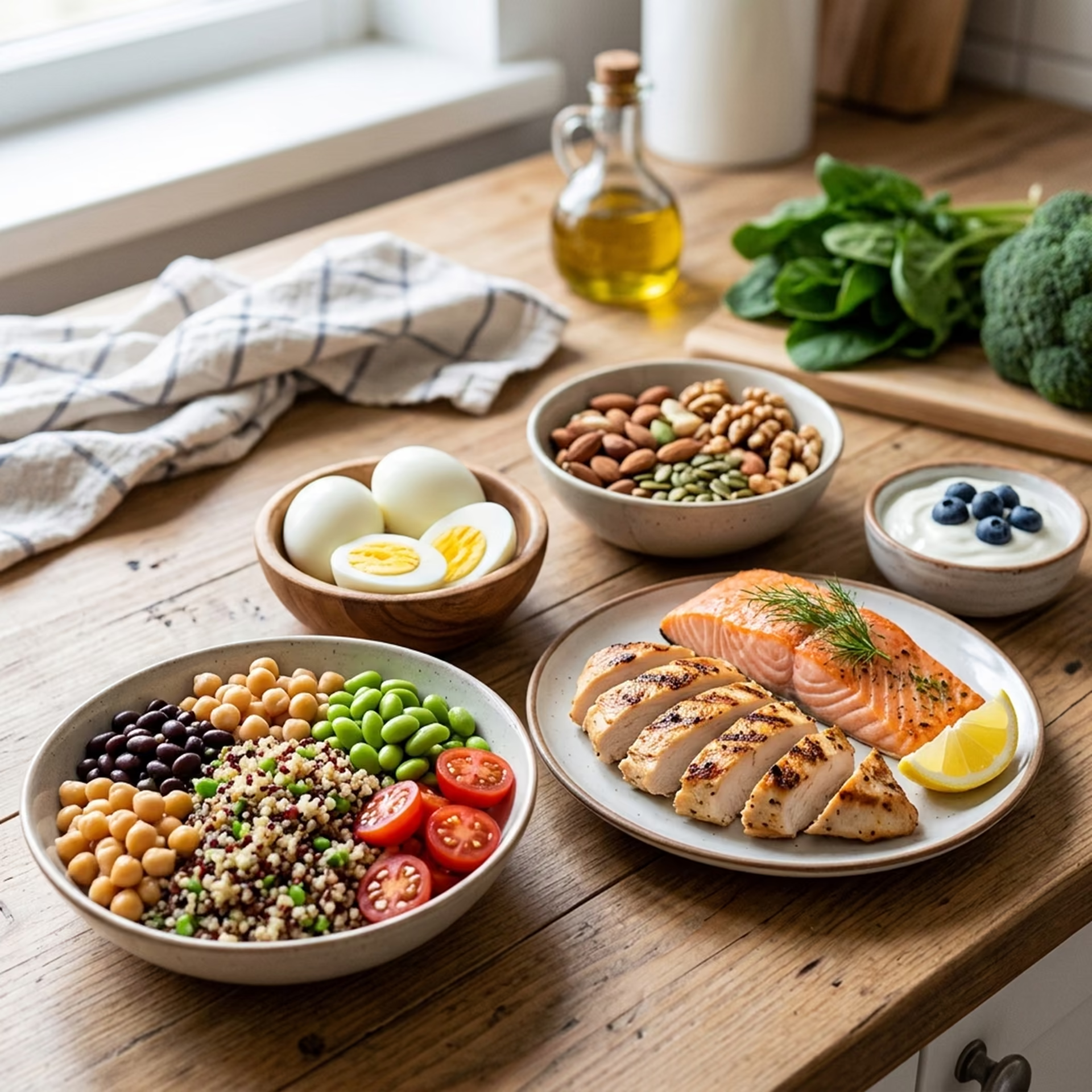
The breakfast protein effect seems to set a hormonal tone for the day. Thirty grams at breakfast—roughly three eggs or a cup of Greek yogurt with some nuts—appears to be the minimum threshold for this effect.
Fiber and the Gut-Brain Hormone Highway
Your gut bacteria produce short-chain fatty acids when they ferment fiber. Those fatty acids trigger the release of GLP-1 and PYY—two hormones that work alongside leptin to signal fullness. Think of them as leptin's backup singers.
The average American eats about 15 grams of fiber daily. The threshold for meaningful hormonal effects appears to be around 30 grams. That's a big gap.
But dumping 30 grams of fiber into your system overnight is a recipe for digestive chaos. The bacteria that process fiber need time to proliferate. Adding 5 grams per week—an extra apple here, a serving of lentils there—lets your microbiome adjust.
After about four weeks at 30+ grams, most people report noticeably reduced appetite between meals. The gut-brain signaling gets louder.
Exercise: Intensity Changes the Hormonal Response
Moderate exercise—a brisk walk, easy cycling—temporarily suppresses ghrelin for about an hour. Nice, but limited.
High-intensity exercise does something different. It suppresses ghrelin more dramatically (up to 50% reduction immediately post-workout) but also triggers a rebound increase about two hours later. This is why you might feel ravenous after a hard workout.
The interesting finding from recent research: resistance training improves leptin sensitivity over time in ways that cardio doesn't match. After 12 weeks of consistent strength training (three sessions per week), participants in a 2024 study showed 19% improvement in leptin receptor sensitivity. Their brains got better at hearing the "I'm full" signal.
The combination that seems to work best for appetite regulation: strength training three times weekly plus daily low-intensity movement like walking. The strength training improves long-term leptin sensitivity. The walking provides gentle, daily ghrelin suppression without triggering the rebound hunger.
Stress, Cortisol, and Why Your Hormones Get Hijacked
Chronic stress doesn't just make you feel like eating. It physically changes how your appetite hormones function.
Cortisol, the primary stress hormone, directly increases ghrelin production. It also promotes leptin resistance. Double whammy. Your body enters a state of "perceived famine"—even if your fridge is full—and responds by ramping up hunger signals while dampening fullness signals.
The research on stress reduction and appetite hormones is surprisingly robust. Eight weeks of consistent meditation practice (just 15 minutes daily) reduced cortisol by 23% in one study and produced corresponding improvements in ghrelin and leptin levels.
You don't have to meditate if that's not your thing. The key variable seems to be activating the parasympathetic nervous system regularly. Deep breathing works. So does time in nature. Even petting a dog for 15 minutes reduces cortisol measurably.
The point isn't the specific activity. It's building in daily recovery time that tells your body the threat has passed.
What Actually Works: A Practical Framework
Pulling this together into something actionable:
Sleep seven hours minimum. This is non-negotiable for appetite hormone regulation. If you're sleeping six hours and trying to manage hunger, you're fighting your own biology.
Eat at consistent times. Your ghrelin will adapt within a few days. Pick windows that work for your life and stick to them within 30 minutes.
Front-load your protein. Aim for 30 grams at breakfast. This sets a better hormonal tone for the entire day.
Build up to 30 grams of fiber gradually. Add 5 grams per week until you hit the target. Your gut bacteria need time to adjust.
Combine strength training with daily walking. The strength training improves leptin sensitivity over months. The walking provides daily ghrelin management.
Build in daily stress recovery. Fifteen minutes of something that activates your parasympathetic system. Whatever works for you.
These interventions compound. Fixing sleep alone helps. Fixing sleep plus consistent meal timing helps more. Add the other elements, and you're working with your hormones instead of against them.
The timeline for noticeable changes? Most people report feeling different within two weeks. Measurable hormonal shifts show up in blood work within four to six weeks. Full adaptation takes about three months.
Your appetite isn't random. It's a signal. And signals can be tuned.
📊 Key Stats
Ghrelin vs. Leptin: Key Differences
| Characteristic | Ghrelin | Leptin |
|---|---|---|
| Primary function | Stimulates hunger | Signals satiety |
| Produced by | Stomach lining | Fat cells |
| Levels before eating | High | Stable |
| Levels after eating | Drops within 30-60 min | Rises gradually |
| Response to sleep deprivation | Increases ~15% | Decreases ~18% |
| Adapts to meal timing | Yes, within 3-5 days | Less directly affected |
| Most affected by | Meal timing, sleep, stress | Body fat levels, inflammation, sleep |
Understanding how these hormones differ helps target interventions effectively
❓ Frequently Asked Questions
How long does it take to reset appetite hormones naturally?
Can you fix leptin resistance without losing weight first?
Does intermittent fasting help regulate ghrelin and leptin?
Why am I so hungry after intense exercise?
Do appetite suppressant supplements actually affect these hormones?
How does stress eating relate to ghrelin and leptin?
Is morning hunger a sign of healthy hormone function?
An AI weight-loss coach built by experts from Juvis Diet, one of Korea's leading weight-loss clinics
Assess. Prescribe in numbers. Coach every day.
Articles give everyone the same averages. HAVIT assesses your body first, uses the results to set daily targets in numbers, and works through them with you for 12 weeks.
- Step 1AI body composition check, no equipment needed
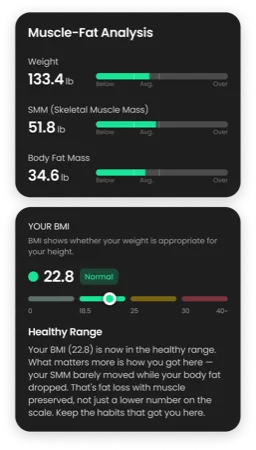
Just your height, weight, age, and a few lifestyle questions are enough to estimate your body composition. In our own study (70 people), estimates were 92.9% accurate compared with InBody measurements.
- HAVIT Score and basal metabolic rate
- Muscle-fat analysis and body composition type
- Obesity level, abdominal fat ratio, and visceral fat
- Body blueprint: healthy goal weight, waist-to-height ratio, and safe rate of weight loss
- 6-stage habit analysis
- Step 211 daily targets, prescribed in numbers
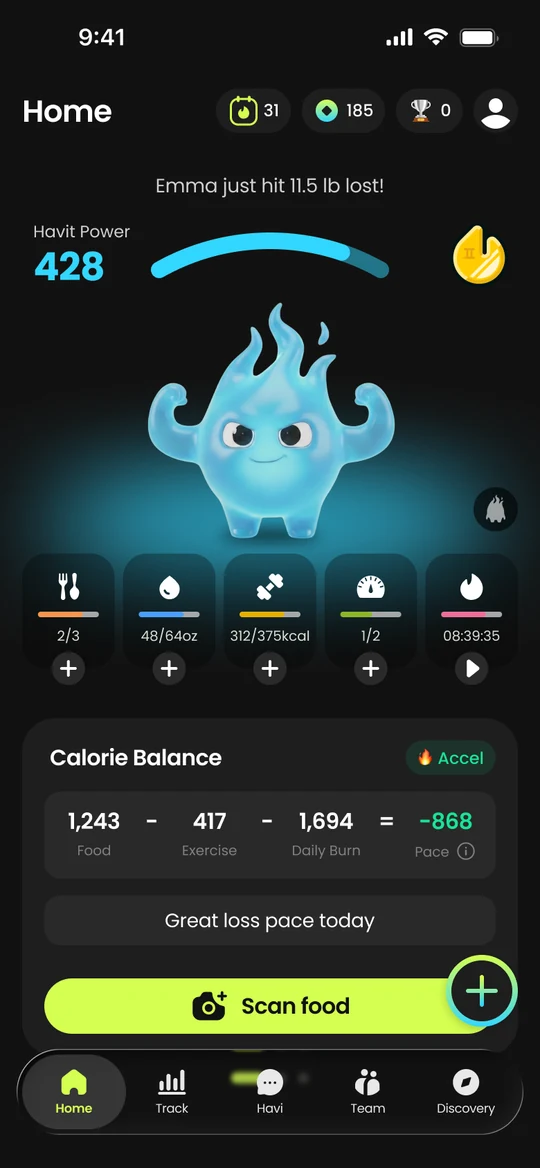
Your results set exact numbers for what to hit each day. Targets are readjusted every week based on how your weight changes.
- Calorie intake, protein, carbs, fat, and fiber
- Calories burned and steps
- Sleep and water
- Weigh-in frequency and target BMI
- Step 3Daily action and AI coaching
A plan only works if you follow it. We make logging easy and your next step clear.
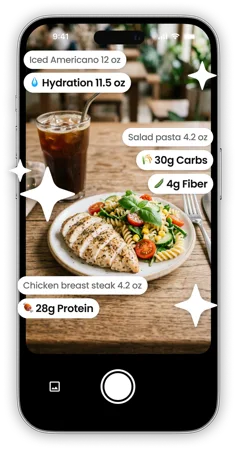
- Log meals with a single photo
- AI coach HAVI reads your logs and suggests one thing to do today
- Personalized plans across 126+ categories based on your results
- CBT-based coaching for your mindset, not just your diet
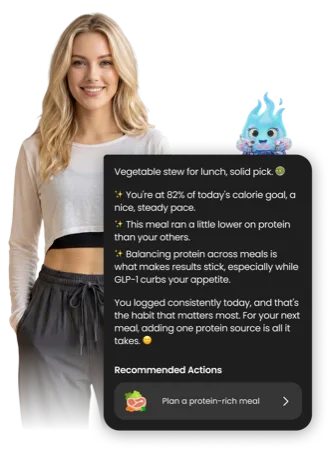
- All-in-oneEverything in one app
No more switching between apps. When everything about your body lives in one place, your AI coach can see the full picture.
- Meals, water, workouts, and steps
- Sleep, weight, and body composition trends
- Menstrual cycle, mood, and daily check-ins
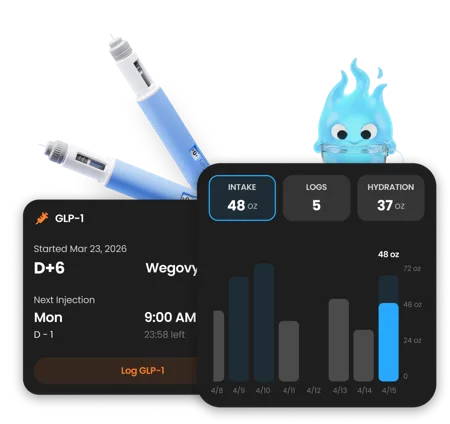
- GLP-1 medication logs and reminders
- Guided meditation, workout videos, and running coach
- Challenges and avatars that make it feel like a game
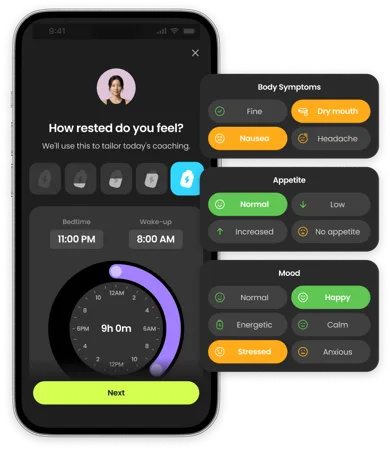
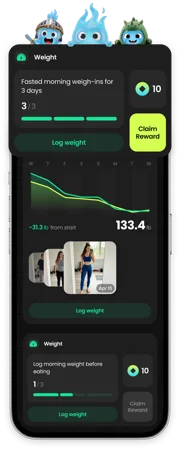
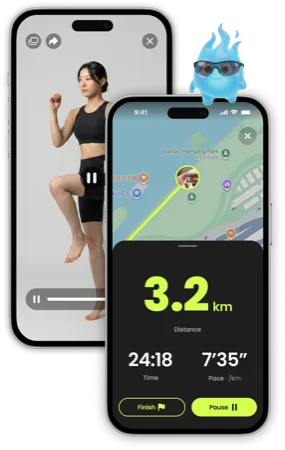
Analysis of 78 people (41 HAVIT, 37 control) with InBody results at week 1 and week 12, June–August 2026. Non-blinded study.
HAVIT is a wellness app, not a medical device. Body composition results are estimates.
A new quiz and health tip every day
Follow HAVIT on Instagram and Threads. @havit_app.en
References
- Appetite Hormone Regulation: Mechanisms and Clinical Implications — Endocrine Reviews, 2025
- Leptin Sensitivity and Resistance Training: A 12-Week Intervention Study — Obesity, 2024
- Sleep Restriction and Appetite-Regulating Hormones: A Systematic Review — Sleep Medicine Reviews, 2024
- Meal Timing and Ghrelin Rhythmicity in Humans — Journal of Clinical Endocrinology & Metabolism, 2024
- Gut Microbiome, Short-Chain Fatty Acids, and Appetite Regulation — Nature Reviews Gastroenterology & Hepatology, 2025