
Life After Gallbladder Removal: Why Digestion Problems Persist and How Your Body Eventually Adapts
Ongoing digestive symptoms after gallbladder removal are common—in one study of 820 patients, about a third still had abdominal pain six months later—but many people improve gradually as the body adjusts to a continuous flow of bile.
This article is for general informational purposes only and is not a substitute for professional medical advice, diagnosis, or treatment. Always consult a qualified healthcare provider with questions about a medical condition.
That Bathroom Emergency at the Worst Possible Moment
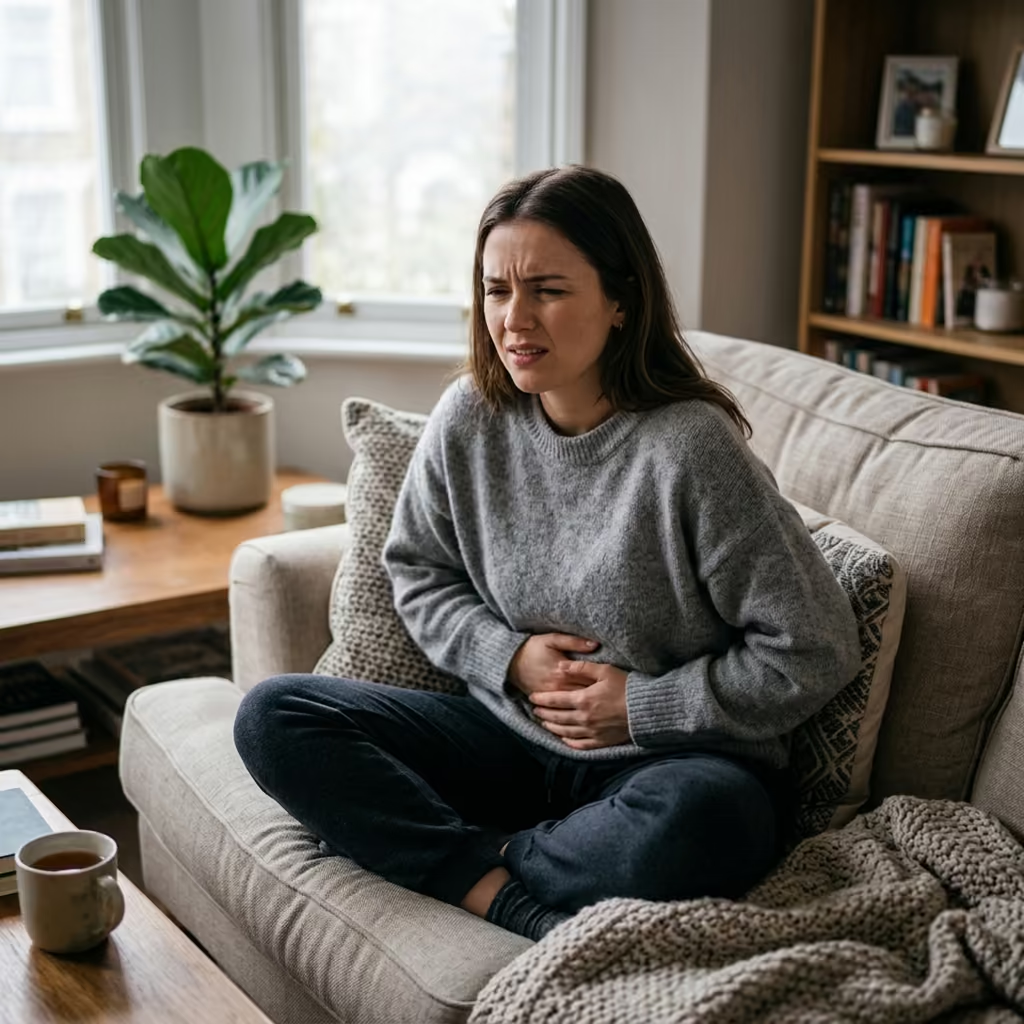
Three weeks after gallbladder surgery, some people find themselves sprinting through a Target, abandoning a full shopping cart in aisle seven. The urgent, watery diarrhea hits without warning—something their surgeon never mentioned might happen. The thought that follows is a common one: "I thought removing the problem organ would FIX things, not create new ones."
Sarah's experience is frustratingly common. Surgeons often frame cholecystectomy as a simple procedure with quick recovery. And technically, they're right about the surgery itself. What they sometimes gloss over is that a meaningful share of patients develop ongoing digestive symptoms that can persist for months or even years—reported rates range from a few percent to over 40%, depending on how symptoms are defined. The medical term is post-cholecystectomy syndrome, though that clinical label doesn't capture the anxiety of wondering if every meal will send you running.
Here's what many people in that situation need to hear, and what I'll tell you: your body CAN adapt. It just takes longer than anyone expects.
What Your Gallbladder Actually Did (And Why You Miss It Now)
Think of your gallbladder as a bile savings account. Your liver produces bile continuously—about 500-600 milliliters daily—but you don't need it constantly. The gallbladder stored and concentrated that bile, releasing it in a coordinated burst when fatty food hit your small intestine.
Without that storage tank, bile now drips directly from liver to intestine in a slow, continuous trickle. Eat a fatty meal? There's no concentrated surge to break it down efficiently. Meanwhile, during fasting periods, bile acids accumulate in your intestine with nothing to do—which is exactly why many people experience their worst symptoms first thing in the morning or between meals.
Among people who develop chronic watery diarrhea after gallbladder removal, a 2019 meta-analysis in Alimentary Pharmacology & Therapeutics found that about 70% had bile acid diarrhea on SeHCAT testing. The mechanism is straightforward: excess bile acids in the colon trigger fluid secretion and speed up transit time. Your intestines are essentially being chemically irritated.
The Adaptation Timeline Nobody Talks About
Here's the genuinely good news buried in the research: your biliary system remodels itself over time.
The common bile duct—the tube connecting your liver to your intestine—gradually dilates after gallbladder removal. In a small 2012 prospective study from Korea, the average common bile duct diameter went from 4.1 mm before surgery to 6.1 mm one year later. How much this widening actually helps digestion is still debated.
Some experts think this dilation may act as a modest pseudo-reservoir—far less effective than your original gallbladder. Many patients notice their symptoms easing over the first several months, though the pace varies widely.
The timeline varies enormously though. Age matters—younger patients adapt faster. Pre-surgery gallbladder function matters too. If your gallbladder was barely working before removal (common with chronic gallstone disease), you might barely notice its absence. If it was functioning well but removed due to acute inflammation, the adjustment period tends to be rougher.
The Four Symptom Patterns and What Drives Each
Not all post-cholecystectomy symptoms have the same cause, which is why generic advice often fails. Understanding your specific pattern helps target solutions.
Pattern One: The Morning Rush You wake up, and within 30 minutes of getting vertical, urgent diarrhea strikes. This happens because bile accumulated overnight and your intestines are hypersensitive to that first movement of the day. Eating a small amount of food—even just crackers—before getting out of bed can help absorb some of that pooled bile.
Pattern Two: The Post-Meal Crisis Fatty or large meals trigger cramping and diarrhea within 30-90 minutes. This reflects inadequate bile concentration for efficient fat digestion. The undigested fat reaches your colon, where bacteria ferment it, producing gas and drawing in water. Smaller, more frequent meals with moderate fat content work better than three large ones.
Pattern Three: The Constant Low-Grade Discomfort Persistent bloating, mild nausea, and vague upper abdominal discomfort that never quite goes away. This pattern often indicates altered gut motility or bacterial overgrowth in the small intestine—a secondary consequence of changed bile flow patterns. Probiotics and prokinetic strategies can help here.
Pattern Four: The Sphincter of Oddi Dysfunction Intermittent severe pain mimicking the original gallbladder attacks, sometimes with elevated liver enzymes. This affects only a small minority of post-cholecystectomy patients and represents actual sphincter muscle dysfunction at the bile duct outlet. It requires medical evaluation and sometimes intervention.
Dietary Strategies That Actually Work (Based on What We Know in 2026)
Forget the generic "avoid fatty foods" advice. The evidence supports more nuanced approaches.
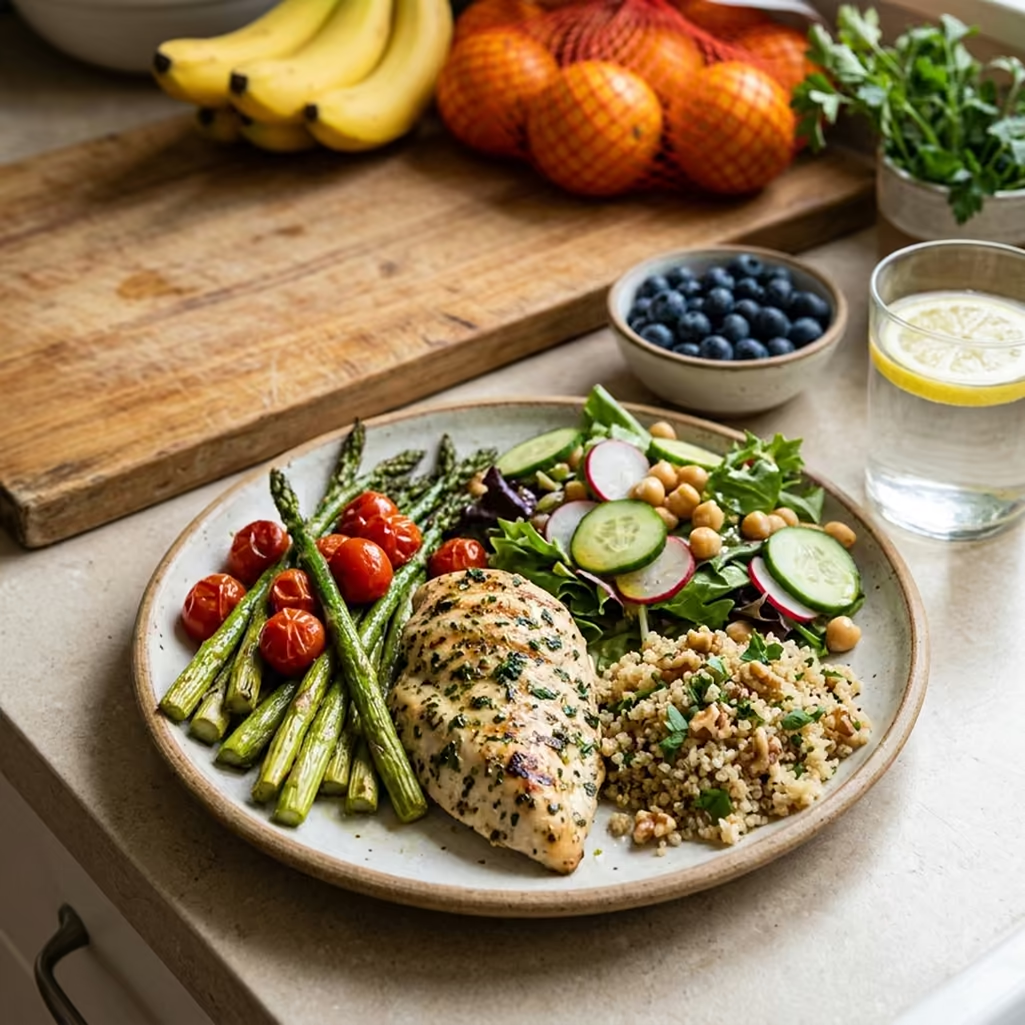
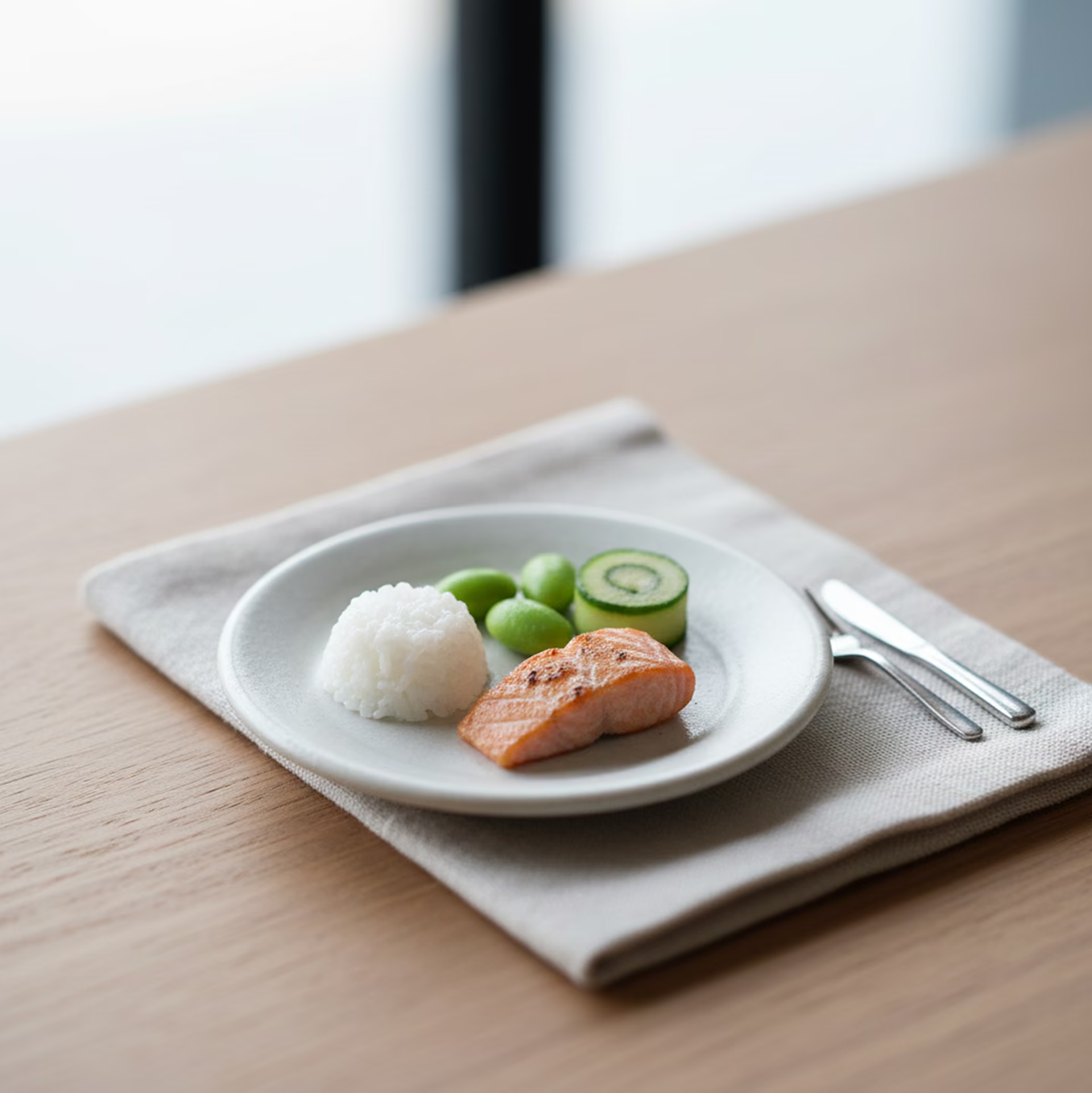
Strategic Fat Timing Rather than eliminating fat, distribute it evenly across meals. Reviews of diet after cholecystectomy generally favor a lower-fat, higher-fiber pattern, and many people tolerate moderate amounts of fat spread across meals better than one heavy, high-fat meal. Your continuous bile trickle can handle moderate, consistent fat loads—it struggles with feast-or-famine patterns.
Soluble Fiber as a Bile Sponge Soluble fiber binds bile acids in the intestine, preventing them from irritating the colon. Oatmeal, psyllium husk, and cooked vegetables are particularly effective. Some people describe adding two tablespoons of ground flaxseed to their morning smoothie as "life-changing"—going from 4-5 urgent bathroom trips daily to one normal bowel movement.
The Coffee Question Caffeine stimulates bile production AND speeds colonic transit. For many post-cholecystectomy patients, coffee becomes problematic. But here's the nuance: timing matters more than elimination. Coffee with food (especially with some fat and fiber) causes fewer issues than coffee on an empty stomach. Experiment before you give up your morning ritual entirely.
Meal Spacing Eating every 3-4 hours prevents bile acid accumulation during long fasting periods. Night-shift workers and intermittent fasting enthusiasts often struggle most after gallbladder removal—their eating patterns create exactly the bile pooling conditions that trigger symptoms.
When Supplements Make Sense
The supplement industry loves post-cholecystectomy patients. Most products are unnecessary, but a few have legitimate evidence.
Ox bile supplements provide supplemental bile acids to help digest fat. The research is mixed—some patients swear by them, others notice nothing. They're most likely to help if your primary symptom is fatty food intolerance (greasy stools, bloating after fat) rather than diarrhea. Start with the lowest dose and take with meals containing fat.
Bile acid sequestrants (cholestyramine, colesevelam) are prescription medications that bind bile acids in the intestine. For severe bile acid diarrhea unresponsive to dietary changes, these can be remarkably effective. In the 2019 meta-analysis, about 79% of post-cholecystectomy patients with bile acid diarrhea responded to colestyramine.
Digestive enzymes containing lipase may help with fat digestion, though evidence is weaker than for bile supplements. They're generally safe to try.
Probiotics show promise for the bloating-predominant pattern, particularly strains like Lactobacillus rhamnosus and Bifidobacterium longum. The mechanism likely involves modulating the gut bacteria that interact with bile acids.
The Psychological Weight of Unpredictable Symptoms
Let's be honest about something the medical literature largely ignores: living with unpredictable digestive symptoms is mentally exhausting.
The hypervigilance around food choices. The anxiety before social events. The constant mental mapping of bathroom locations. Some people end up avoiding restaurants, travel, or social gatherings because of symptom worries—even when their actual symptoms are relatively mild.
This isn't weakness or overreaction. It's a rational response to having been caught off-guard by your own body. The uncertainty is genuinely stressful.
What helps: tracking symptoms and triggers systematically (even just for a few weeks) often reveals patterns that feel random but aren't. That sense of predictability—knowing that X food in Y circumstance will likely cause Z symptom—restores some feeling of control. Many patients find their anxiety decreases substantially once they've identified their specific triggers, even before symptoms fully resolve.
Red Flags That Warrant Medical Attention
Most post-cholecystectomy symptoms are annoying but not dangerous. However, certain signs require evaluation:
- Fever accompanying digestive symptoms
- Jaundice (yellowing of skin or eyes)
- Severe pain similar to pre-surgery gallbladder attacks
- Unintentional weight loss exceeding 5% of body weight
- Blood in stool
- Symptoms worsening rather than gradually improving after the 6-month mark
These could indicate retained gallstones in the bile duct, sphincter of Oddi dysfunction, or unrelated conditions that happened to emerge post-surgery. Don't assume everything is "just" post-cholecystectomy syndrome.
The Long View: What the Years After Surgery Look Like
Long-term data are reassuring, with a caveat. A study comparing people an average of four years after cholecystectomy with the general population found that overall quality of life was good, but gastrointestinal symptoms such as diarrhea, urgency, and bloating were still more common than in people who had not had the surgery.
That persistent minority is real and shouldn't be minimized. Some people do experience permanent changes to their digestive function. But the trajectory for most patients is toward improvement, even if the timeline feels agonizingly slow while you're living it.
Picture someone 14 months post-surgery. The urgent diarrhea episodes that once happened daily now occur maybe twice a month, usually when they "forget" and eat something particularly greasy. They've learned their triggers, adjusted their eating patterns, and mostly stopped thinking about their missing gallbladder.
A common sentiment among people at this stage goes like this: "It's not that everything went back to normal. It's more that I found a new normal. And honestly? It's fine. I wish someone had just told me upfront that 'fine' would take a year to reach."
📊 Key Stats
Post-Cholecystectomy Symptom Patterns and Targeted Interventions
| Symptom Pattern | Primary Cause | Timing | First-Line Intervention |
|---|---|---|---|
| Morning urgency/diarrhea | Overnight bile accumulation | Within 30 min of waking | Small snack before rising; soluble fiber at dinner |
| Post-meal cramping/diarrhea | Inadequate bile for fat digestion | 30-90 min after fatty meals | Smaller meals; even fat distribution; ox bile supplement |
| Constant bloating/discomfort | Altered motility; possible SIBO | Persistent throughout day | Probiotics; prokinetic foods; medical evaluation |
| Intermittent severe pain | Sphincter of Oddi dysfunction | Episodic, unpredictable | Medical evaluation; possible ERCP |
Identifying your specific symptom pattern helps target the most effective dietary and supplement strategies.
❓ Frequently Asked Questions
How long do digestive problems typically last after gallbladder removal?
Why do I get diarrhea first thing in the morning after gallbladder surgery?
Should I avoid all fatty foods after gallbladder removal?
Do ox bile supplements actually help after gallbladder removal?
When should I see a doctor about post-cholecystectomy symptoms?
Will my bile duct eventually replace my gallbladder's function?
Can I still drink coffee after gallbladder removal?
An AI weight-loss coach built by experts from Juvis Diet, one of Korea's leading weight-loss clinics
Analyze. Set targets in numbers. Coach every day.
Articles give everyone the same averages. HAVIT assesses your body first, uses the results to set daily targets in numbers, and works through them with you for 12 weeks.
- Step 1AI body composition check, no equipment needed
Just your height, weight, age, and a few lifestyle questions are enough to estimate your body composition. In our own study (70 people), estimates were 92.9% accurate compared with InBody measurements.
- HAVIT Score and basal metabolic rate
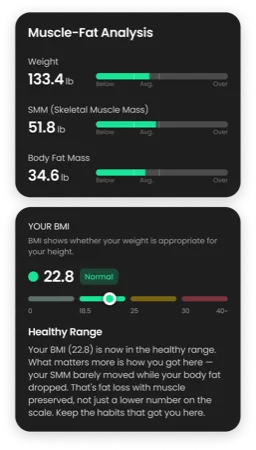
- Muscle-fat analysis and body composition type
- Obesity level, abdominal fat ratio, and visceral fat
- Body blueprint: healthy goal weight, waist-to-height ratio, and safe rate of weight loss
- 6-stage habit analysis
- Step 211 daily targets, set in numbers
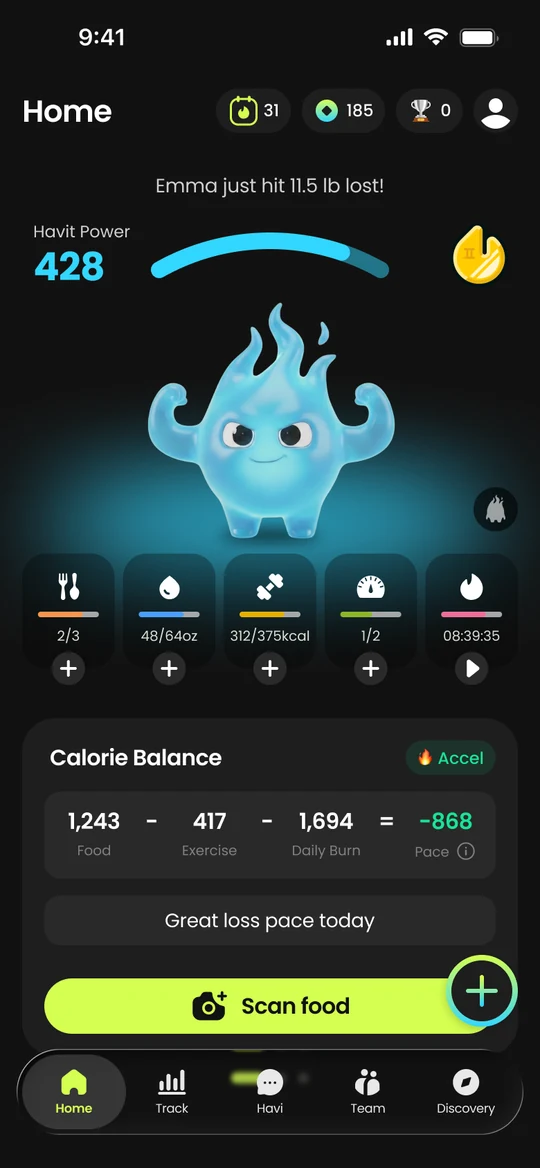
Your results set exact numbers for what to hit each day. Targets are readjusted every week based on how your weight changes.
- Calorie intake, protein, carbs, fat, and fiber
- Calories burned and steps
- Sleep and water
- Weigh-in frequency and target BMI
- Step 3Daily action and AI coaching
A plan only works if you follow it. We make logging easy and your next step clear.
- Log meals with a single photo
- AI coach HAVI reads your logs and suggests one thing to do today
- Personalized plans across 126+ categories based on your results
- CBT-based coaching for your mindset, not just your diet
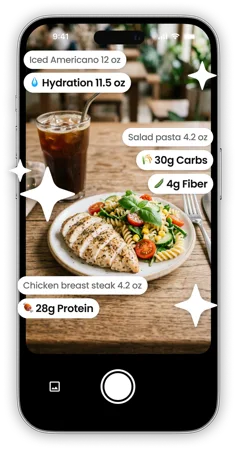

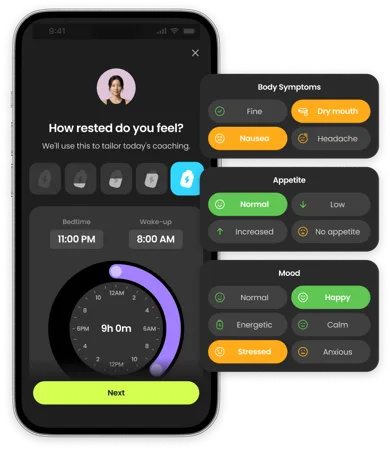
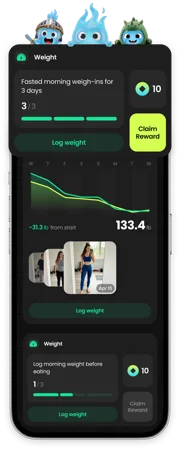
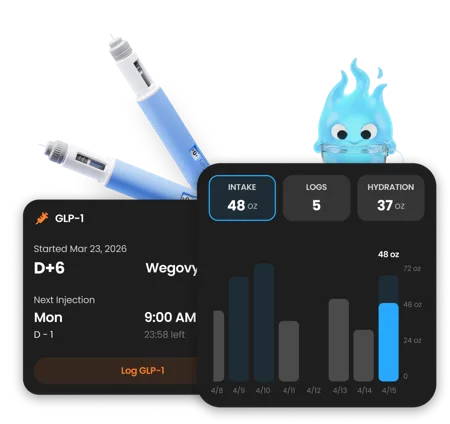
- All-in-oneEverything in one app
No more switching between apps. When everything about your body lives in one place, your AI coach can see the full picture.
- Meals, water, workouts, and steps
- Sleep, weight, and body composition trends
- Menstrual cycle, mood, and daily check-ins
- GLP-1 medication logs and reminders
- Guided meditation, workout videos, and running coach
- Challenges and avatars that make it feel like a game

Analysis of 78 people (41 HAVIT, 37 control) with InBody results at week 1 and week 12, June–August 2026. Non-blinded study.
HAVIT is a wellness app, not a medical device. Body composition results are estimates.
A new quiz and health tip every day
Follow HAVIT on Instagram and Threads. @havit_app.en
References
- Clinical perspectives on post-cholecystectomy syndrome: a narrative review — Annals of Medicine, 2025
- Persistent and new-onset symptoms after cholecystectomy in patients with uncomplicated symptomatic cholecystolithiasis: A post hoc analysis of 2 prospective clinical trials — Surgery, 2023
- Systematic review with meta-analysis: the prevalence of bile acid malabsorption and response to colestyramine in patients with chronic watery diarrhoea and previous cholecystectomy — Alimentary Pharmacology & Therapeutics, 2019
- Common bile duct dilatation after cholecystectomy: a one-year prospective study — Journal of the Korean Surgical Society, 2012
- How Do Quality-of-Life and Gastrointestinal Symptoms Differ Between Post-cholecystectomy Patients and the Background Population? — World Journal of Surgery, 2016
- Diet After Cholecystectomy — Current Medicinal Chemistry, 2019