
GLP-1 剂量记录:记录毫克数与剂量递增计划

本文仅供一般信息参考,不能替代专业医疗建议、诊断或治疗。如有任何健康相关问题,请务必咨询合格的医疗专业人员。
简要回答
GLP-1 剂量记录会记下你在哪天用了多少毫克,并跟踪你的剂量递增——Wegovy(诺和盈)0.25→2.4,替尔泊肽(穆峰达)2.5→15。了解如何记录与分享。
GLP-1 药物并不是单一的固定剂量。它们从低剂量开始,按照既定的剂量递增计划逐步上调,以减少副作用,然后稳定在维持剂量。这意味着“我现在用的是多少?”这个问题的答案每隔几周就会变化——而且你注射的毫克数与注射这个动作本身是两回事。剂量记录负责毫克数这一部分:哪种规格、哪一天、以及你处在递增阶梯的哪一步。(如需记录注射事件和注射部位轮换,请参阅配套的 GLP-1 注射记录;如需了解全貌,GLP-1 记录应用总览页将剂量、体重、蛋白质和副作用整合在一起。)
01
为什么值得记录剂量递增计划
有三点能让你的剂量历史真正有用,而不只是整齐:
让你与计划保持同步。
上调按日历进行(通常不早于每四周一次)。记录工具会显示下一次上调何时到期,让你和处方医生步调一致。
把副作用与剂量变化联系起来。
恶心和胃肠道症状最常在剂量上调后出现或加重。同时记录毫克数和日期,你就能看出“我改用 1.0 mg 三天后开始反胃”——这是临床医生可以据以采取行动的规律。
给处方医生提供准确的历史。
在调整剂量的就诊中,“我想我在中间那个剂量上已经用了一阵子”远不如一份带日期、几秒钟就能看懂的剂量阶梯有说服力。
02
各药物的剂量递增计划(记录多少毫克、哪一天)
以下是常见 GLP-1 药物的递增形式。可将其作为你剂量记录的骨架——但具体时间请由处方医生决定,不要把它当作自行调整的指南。
Wegovy(诺和盈)大约用 16–17 周达到 2.4 mg 维持剂量;替尔泊肽(穆峰达/Mounjaro)以 2.5 mg 为增量,依次经过 2.5、5、7.5、10、12.5 和 15 mg,由处方医生根据反应和耐受性决定你稳定在哪一档。这一节奏背后的临床依据见剂量递增时机指南。每周 2.4 mg 是标准维持剂量。对于已使用 2.4 mg 至少 4 周、仍需进一步减重的成人肥胖患者,更高的每周 7.2 mg 维持剂量已在欧盟(2026 年 2 月)和美国(2026 年 3 月,Wegovy HD)获批。7.2 mg 时皮肤感觉异常明显更常见(STEP UP 试验 21.6%,安慰剂 0.3%)。
中国内地提示。 以上剂量递增方案主要依据美国和欧盟的说明书。在中国内地,司美格鲁肽(诺和盈)已于 2024 年 6 月获国家药监局(NMPA)批准用于成人长期体重管理,替尔泊肽(穆峰达)也已获批用于体重管理;它们和诺和泰(Ozempic)一样是处方药,具体起始剂量、递增节奏和最高剂量请以中国药品说明书和处方医生的指示为准,更高的维持剂量在中国内地的获批情况请向医生或药师确认。
| 药物(通用名) | 起始剂量 | 递增 | 维持剂量 |
|---|---|---|---|
| Wegovy / 诺和盈(司美格鲁肽) | 0.25 mg,每周一次 | 约每 4 周上调一次:0.5 → 1.0 → 1.7 mg | 每周 1.7 或 2.4 mg,最高 7.2 mg(2026 年在欧盟和美国获批) |
| Ozempic / 诺和泰(司美格鲁肽) | 0.25 mg,每周一次,持续 4 周 | → 0.5 mg,≥4 周后再到 1.0 | 每周 0.5、1.0 或 2.0 mg |
| Mounjaro / 穆峰达(替尔泊肽;美国另有商品名 Zepbound) | 2.5 mg,每周一次,持续 4 周 | → 5 mg,之后每 ≥4 周增加 2.5 mg | 每周 5–15 mg |

03
一份好的剂量记录应包含什么
每条记录请包含:
- 日期:该剂量开始适用的日期(通常是你的注射日期)。
- 你使用的毫克规格。
- 是上调、维持还是下调——并简要说明原因(例如“维持在 5 mg——恶心”)。
- 该剂量下的耐受情况——简短备注或 1–5 分评分,便于看出规律。
这样记录后,你的历史会呈现为一道阶梯:0.25 mg(3 月 3 日)→ 0.5 mg(3 月 31 日)→ 维持(4 月 28 日,胃肠道)→ 1.0 mg(5 月 12 日)。这一行告诉处方医生的信息,比一整次就诊中的回忆还多。
04
达到并保持维持剂量
剂量递增是爬升的过程;维持才是旅程中大部分时间所处的阶段。一旦你稳定在某个维持规格(例如 Wegovy 2.4 mg,或 5–15 mg 的替尔泊肽剂量),记录的作用就从“记录爬升”转为“确认我一直在使用正确的规格,并记下效果如何”。如果副作用、费用或效果促使你做出改变,带日期的历史能让关于调整剂量(上调、下调或维持)的讨论有据可依,而不是凭记忆。

05
与处方医生分享你的剂量历史
剂量记录最大的回报在于就诊时。就诊前:
- 打开你的剂量阶梯——按日期排列的规格序列。
- 标出副作用集中出现的位置,对照每次上调。
- 注明任何维持或错过的上调及原因。
- 同时带上你的体重趋势,让效果与剂量一起呈现。
- 提出你的具体问题——“我应该上调,还是维持在这里?”——用数据支持,而不是猜测。
06
如何分 5 步建立剂量记录习惯
- 记录你当前的规格及其开始日期,作为基线。
- 在每次上调当天记录,完全按照处方医生的指示——切勿自行上调。
- 在每个新剂量下添加一行耐受情况备注(恶心、无、好转)。
- 为下一次复查设置提醒,大约四周后,以免忘记上调。
- 在每次门诊前导出或截图剂量阶梯,方便清晰分享。

07
GLP-1 剂量记录应用如何自动完成这些
- 可视化剂量阶梯,自动将每个毫克数与日期对应绘制。
- 上调提醒,按你约 4 周的递增节奏设定。
- 副作用叠加显示,让症状与之前发生的具体剂量变化对齐。
- 可分享的导出文件——为处方医生提供清晰、带日期的历史。
- 维持剂量确认,让你始终清楚本周应注射的规格。
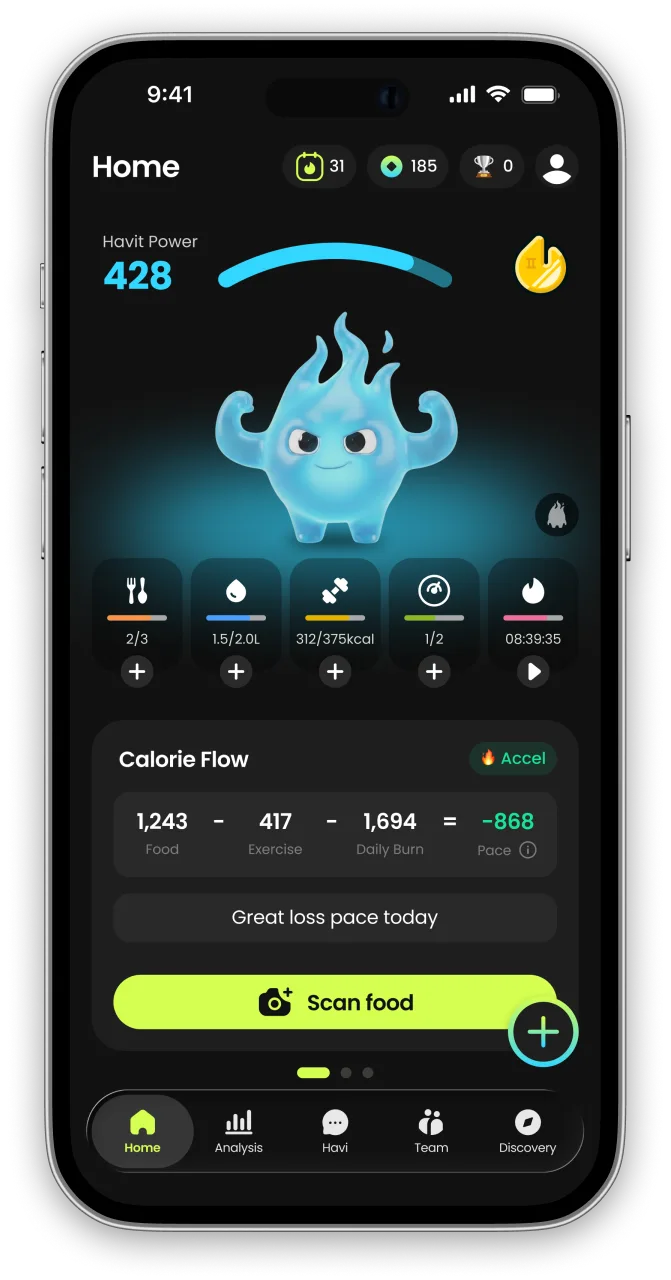
HAVIT 在一个健康应用中,将你的剂量阶梯与体重、身体成分、饮食和蛋白质记录放在一起——这样一次上调以及前后的副作用、食欲和效果都集中在一处。如果你希望把剂量递增历史和日常习惯放在同一个地方,它是你 GLP-1 旅程的天然归宿。正在比较药物?请看司美格鲁肽与替尔泊肽对比。
所有 GLP-1 记录通用的安全须知。 如果你本人或近亲曾患甲状腺髓样癌,或你本人患有 2 型多发性内分泌腺瘤(MEN 2),不应使用这类药物。孕期不使用;部分药物需在计划怀孕前数周至数月停用,因此怀孕或计划怀孕时请立即告知处方医生。如同时使用胰岛素或磺脲类药物,请留意低血糖症状(手抖、出冷汗、意识模糊)。呕吐或腹泻到连水都喝不下时,可能脱水并加重肾脏负担,请联系医生。记录 App 只负责整理记录,请以你所在地的药品说明书和处方医生的指示为准。
如出现持续剧烈腹痛、反复呕吐或其他严重不适,请尽快到医院就诊;情况紧急时拨打 120 急救电话。以上为通用提醒,不能替代医生的诊疗意见。
08
为什么选择 HAVIT——药物与行为改变,合于一个应用
GLP-1 药物可以显著减轻体重——但体重秤上的数字只是故事的一部分。在 GLP-1 治疗中减掉的体重里,瘦体重所占比例在一些试验中为 40–60%,在另一些试验中为 15% 或更低——而且瘦体重包括器官、骨骼和水分,而不只是肌肉(Neeland et al., Diabetes, Obesity and Metabolism, 2024),并且一旦停药,除非有新的习惯接替,效果往往会消退。这就是为什么主要指南把药物视为治疗的一部分,而不是全部:美国预防服务工作组(U.S. Preventive Services Task Force)建议为肥胖成人提供强化的、多成分的行为干预(USPSTF,B 级)。
HAVIT 正是为这一时刻而生——一个整合药物记录、身体成分、营养与蛋白质、日常习惯养成,以及能适应你的 AI 教练的应用。在我们自己的 1,090 位 GLP-1 用户中,记录最稳定的人养成了最牢固的习惯(查看 GLP-1 习惯报告)。
药物与肌肉,一并管理。从 HAVIT 开始 →

常见问题
什么是 GLP-1 剂量记录?
剂量记录与注射记录有什么不同?
什么是剂量递增(titration),为什么重要?
剂量上调有多快?
什么是维持剂量?
剂量记录能告诉我什么时候该加量吗?
为什么要把副作用和剂量一起记录?
如何在就诊时分享我的剂量历史?
HAVIT 是什么?
HAVIT 是以代谢科学为基础的 AI 健康伙伴,帮你守住肌肉、唤醒代谢,长久保持不反弹的身体。
和只计算热量的追踪器不同,HAVIT 把 AI 身体成分估算与饮食、水分、睡眠、步数、生理周期、情绪、GLP-1 用药记录整合成同一套每日流程,因此进度看的是身体成分,而不只是体重秤上的数字。每日任务把已验证的行为改变技巧拆成小而可重复的行动,并融入韩国代表性代谢诊所 Juvis Diet 出身专家的经验。
在 HAVIT 自行分析的 1,090 位 GLP-1 使用者数据中,持续记录的人比一般用户建立了更稳固的习惯。 阅读 GLP-1 习惯报告
App 里有什么
- AI 教练知道今天该做什么。
- 营养几秒钟完成饮食记录。
- 体成分洞察看见体重以外的变化。
- 每日任务建立能坚持下去的习惯。
- 每日打卡告诉 HAVI 今天感觉如何。
- 全部都能记录从喝水到 GLP-1
- 身心与恢复为意志力见底的日子准备。


无论是否使用 GLP-1 药物都可以使用 HAVIT。这是一款健康类应用,不是医疗器械;身体成分结果为估算值。
在 App 中继续
用你自己的数据,获得个性化的健康管理


参考资料
- U.S. Food & Drug Administration — WEGOVY (semaglutide) prescribing information, dosage and titration (0.25→2.4 mg). accessdata.fda.gov
- Novo Nordisk — Wegovy dosing schedule and dose-escalation guidance. wegovy.com
- Novo Nordisk — Ozempic dosing (0.25→0.5→1→2 mg) and titration. ozempic.com
- Eli Lilly — ZEPBOUND (tirzepatide) prescribing information, dosage and titration (2.5→15 mg). pi.lilly.com
- Eli Lilly — Zepbound dosage options and schedules. zepbound.lilly.com
- Cleveland Clinic — GLP-1 Agonists: dosing overview. my.clevelandclinic.org
- All medical claims verified against the cited FDA labels and manufacturer materials as of July 2026. Labels are updated periodically — confirm current details with your prescriber and the official prescribing information.*
- FDA approves fourth product under National Priority Voucher program, higher dose semaglutide (Wegovy HD 7.2 mg), Mar 19, 2026 (checked 2026-10-16). fda.gov
- Novo Nordisk — European Commission approves Wegovy 7.2 mg dose, Feb 17, 2026 (checked 2026-10-16). biospace.com
- 国家卫生健康委员会:《院前医疗急救管理办法》,规定全国院前医疗急救呼叫号码为 120(checked 2026-10-16)。 nhc.gov.cn
- 北京日报(经国家科技传播中心转载):诺和盈获国家药监局批准用于长期体重管理,2024 年 6 月;体重管理适应症当时不在医保范围(checked 2026-10-16)。 ncsti.gov.cn
- 华尔街见闻:替尔泊肽(穆峰达)体重管理适应症获国家药监局批准(checked 2026-10-16)。 wallstreetcn.com


